Parenting Foundations
Build everyday parenting skills through connection, realistic expectations, clear limits and routines. Families and children differ; this course is general education, not an assessment of your child or a substitute for professional guidance.
0/4 lessons complete · Best assessment: 0% · Project pending
01 · Connection and understanding needsOpen lesson
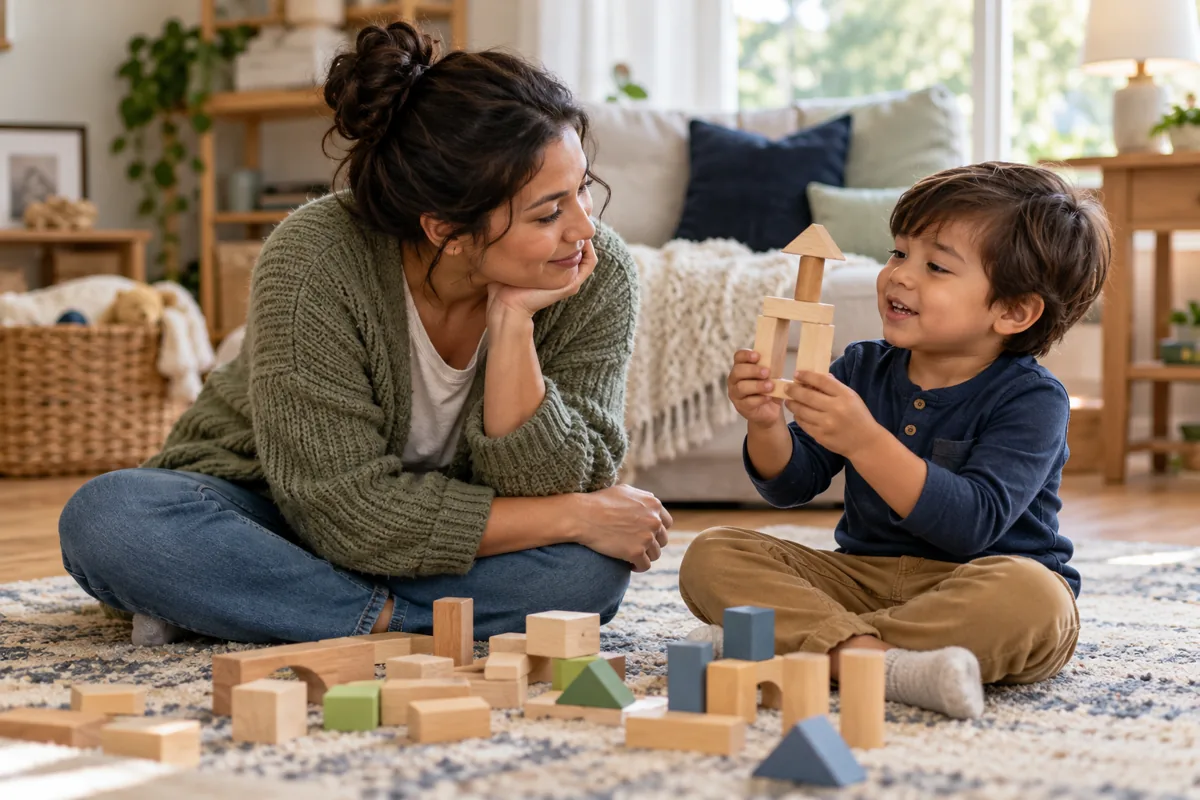
Parenting combines care, protection and guidance. A child’s behavior can reflect needs, skills, development and the immediate situation; one difficult moment does not describe the whole child. Notice context before responding and look for patterns without diagnosing. Make time for positive attention that is not limited to correcting mistakes. Expectations should fit the child’s abilities and circumstances rather than comparisons with another child.
A child struggles with a task late in the day. The caregiver considers tiredness and whether the instruction was clear before assuming deliberate refusal.
Try it yourself
Describe a fictional behavior, two possible context factors and one supportive question.
02 · Clear, realistic expectationsOpen lessonLocked — complete previous lessons
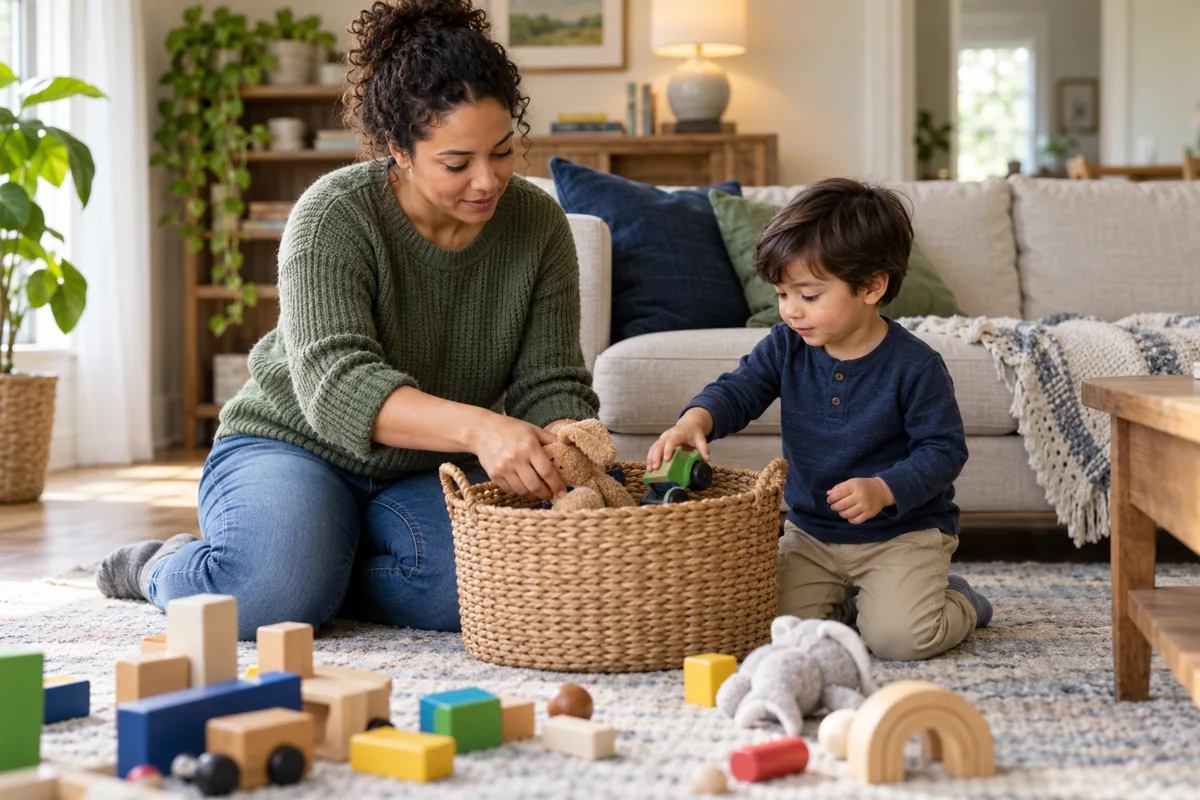
State a small number of understandable expectations and show what the action looks like. Younger children may need short instructions, demonstration and repetition; older children can often help plan the details. Check whether the child understands and has the skills or support needed. Consistency means a recognizable approach, not refusing to adapt when age, ability or circumstances change.
Please place the blocks in this basket gives a concrete action; be good does not explain the task.
Try it yourself
Rewrite two vague instructions as clear, age-appropriate actions.
03 · Teaching limits without humiliationOpen lessonLocked — complete previous lessons

Discipline can teach skills and protect safety through clear limits, guidance and proportionate responses. Avoid hitting, threats, humiliation and shame. Acknowledge a feeling while maintaining a necessary boundary: being angry does not make hitting acceptable. When everyone is upset, prioritize safety and a calmer opportunity to teach rather than extending an argument. A harmful response can be acknowledged and repaired by the adult.
I can see you are angry. I will not let you hit. We can talk about another way to express it once we are safe.
Try it yourself
Write a fictional response that names a feeling, sets a safety limit and offers a next step.
04 · Routines, repair and supportOpen lessonLocked — complete previous lessons
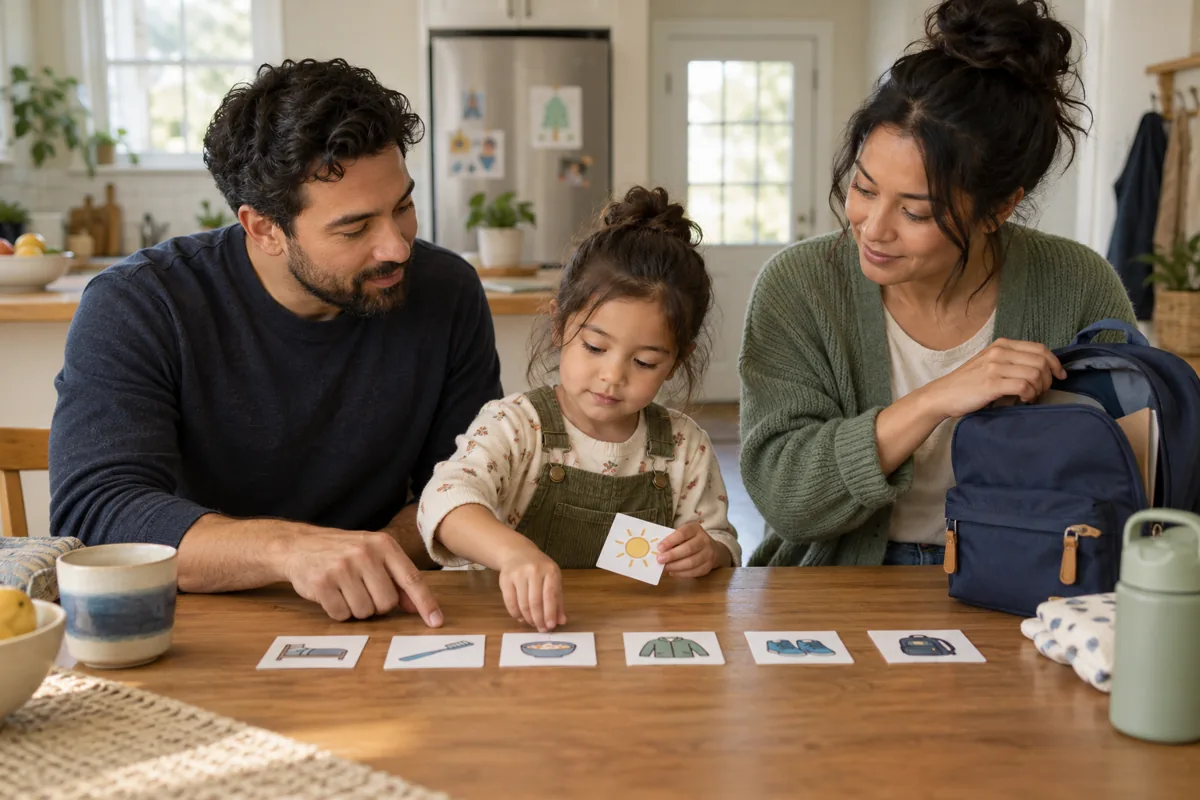
A predictable routine can reduce uncertainty, but it should fit the household and allow reasonable changes. Share expectations between caregivers when possible and avoid making a child responsible for adult conflict. After a difficult interaction, acknowledge what happened and explain the next step. Seek professional guidance for persistent concerns, developmental questions or safety issues; a learning course cannot determine their cause.
A family tests a short bedtime sequence and revises an unrealistic step instead of treating every disruption as failure.
Try it yourself
Complete your family-routine project with one adjustment and a support option.