Healthy Cooking & Nutrition Basics
Build practical meal-planning, cooking and food-safety skills using general nutrition guidance. Individual needs and allergies vary; use qualified advice for medical dietary needs.
0/6 lessons complete · Best assessment: 0% · Project pending
01 · Food variety and a practical plateOpen lesson
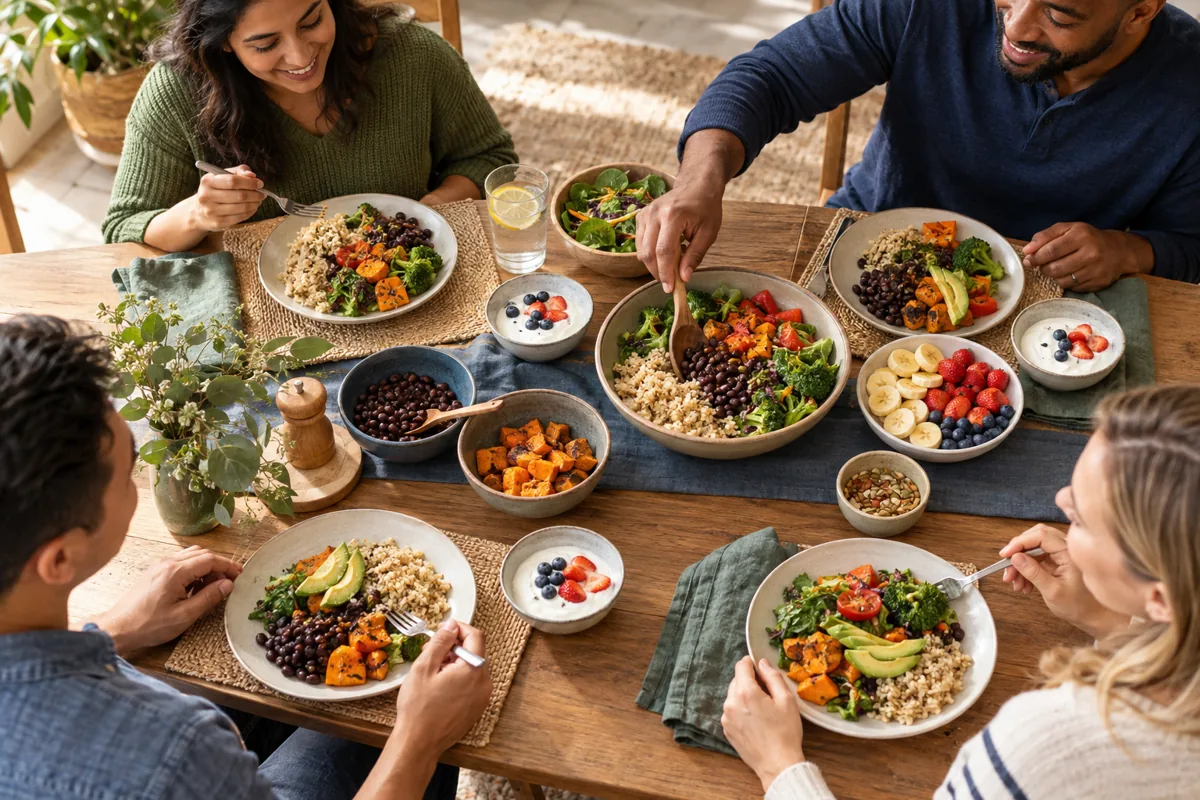
General healthy-eating guidance considers the overall pattern of foods over time. MyPlate organizes foods into fruit, vegetables, grains, protein foods and dairy or qualifying alternatives. A meal can be varied without being elaborate. Preferences, availability, culture and individual needs affect what a practical meal looks like.
A dinner combines beans, brown rice, vegetables and fruit. A suitable dairy food or fortified soy alternative can be included elsewhere in the day.
Try it yourself
Use the Meal Variety Lab to think about several food groups without assigning medical targets.
02 · Reading labels and checking ingredientsOpen lessonLocked — complete previous lessons
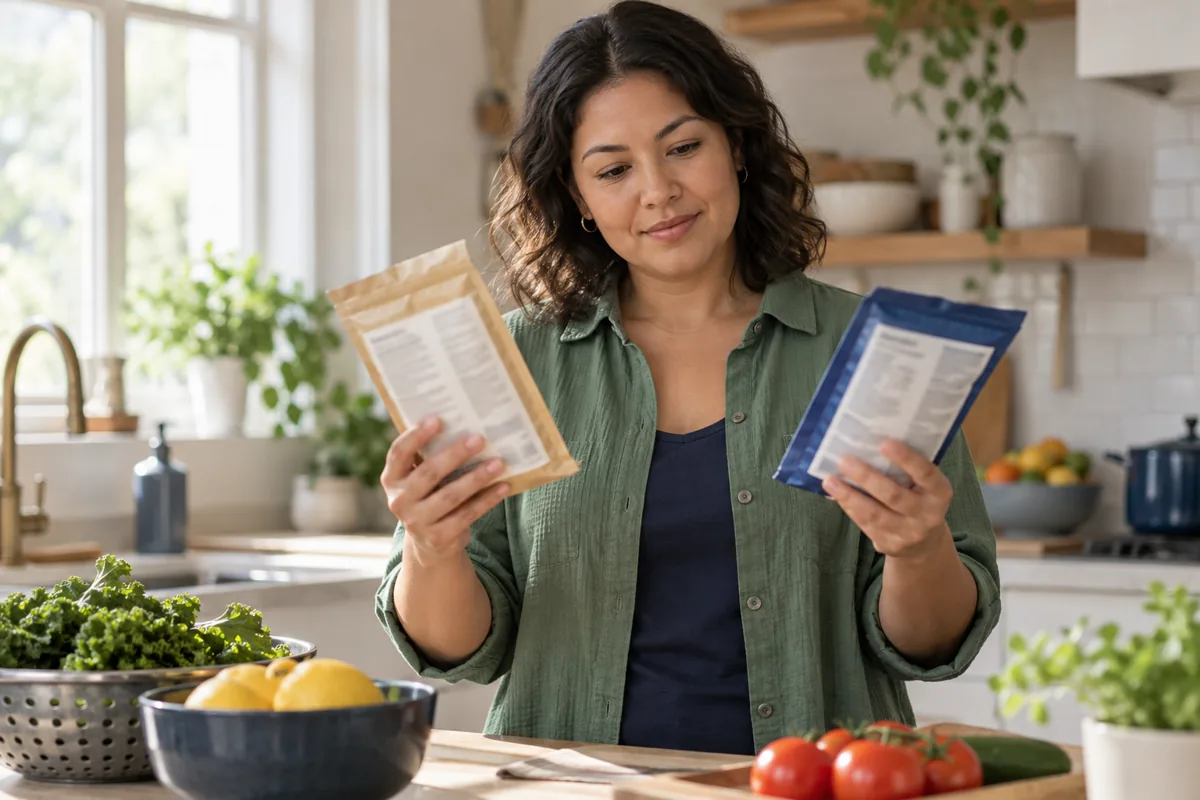
Compare foods using the same serving basis. A package may contain more than one serving, so multiplying servings changes the amounts consumed. Ingredients and allergen information are important when selecting foods. Nutrition labels help compare options, but a single number does not explain the quality of the whole eating pattern.
A package lists 180 calories per serving and two servings. The whole package contains 360 calories under that label.
Try it yourself
Compare two fictional packages with equal serving sizes, noting sodium and added sugars rather than choosing by packaging alone.
03 · Affordable shopping and meal planningOpen lessonLocked — complete previous lessons
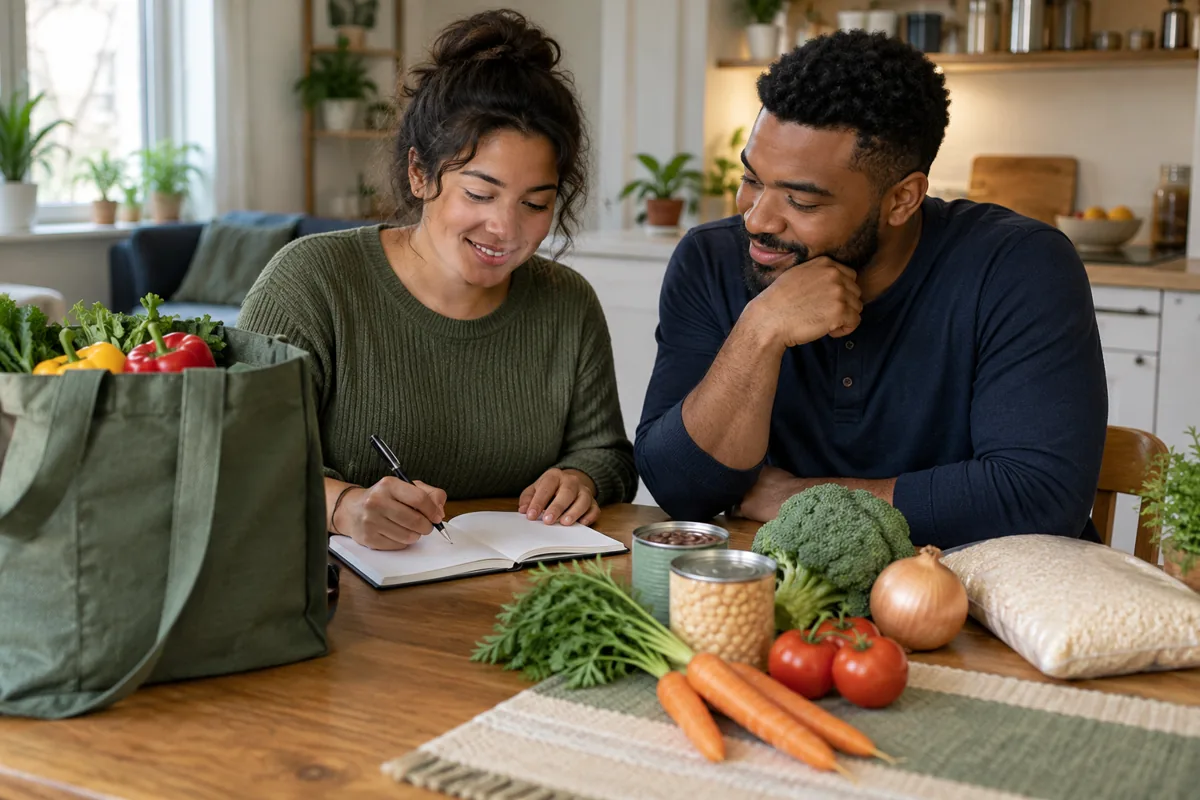
Plan meals before shopping, check what is already available and choose foods that can be used across several meals. Compare unit prices when sizes differ and consider storage space and realistic use. A larger package is not a saving if much of it spoils. Frozen and shelf-stable ingredients can make a plan more flexible.
A bag of frozen vegetables can support a stir-fry and a soup, while dry beans or canned beans can fit more than one dinner.
Try it yourself
Write a three-dinner list and identify two ingredients shared across meals.
04 · Preparation and basic cooking methodsOpen lessonLocked — complete previous lessons
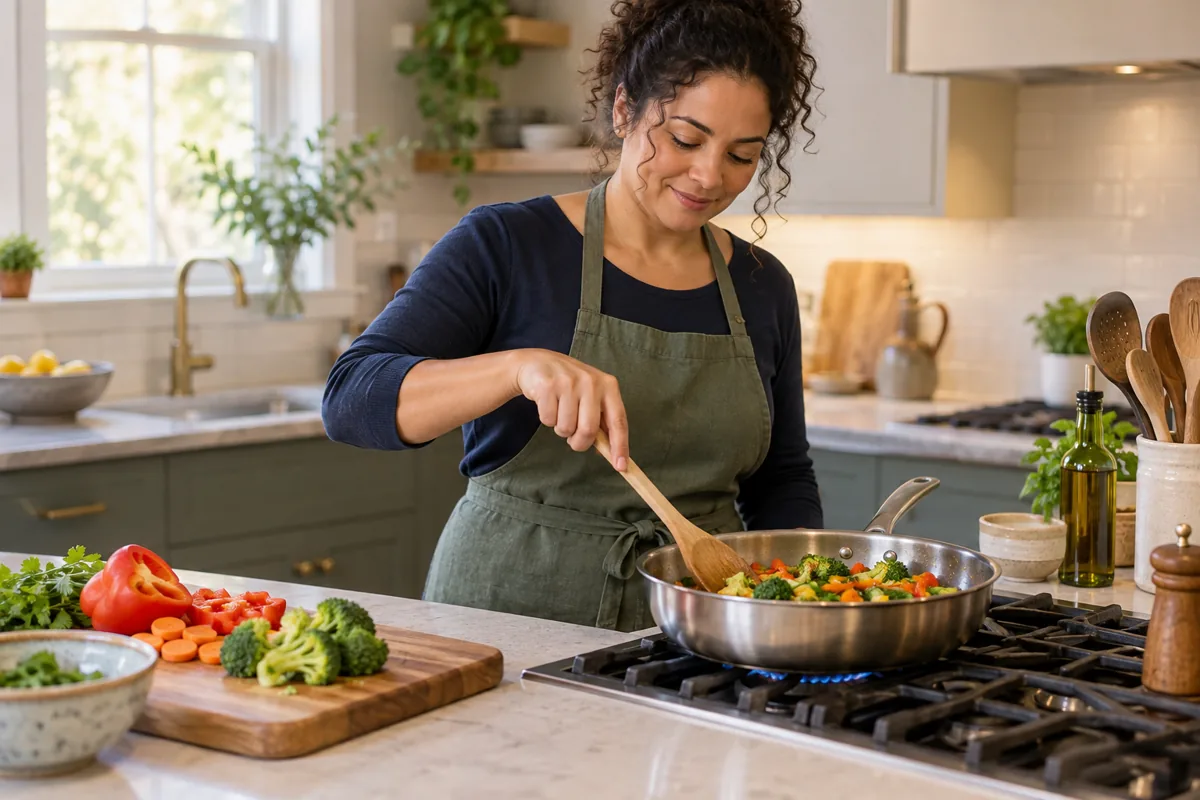
Read a recipe before starting and gather the ingredients and equipment. Cut stable ingredients on a secure board and keep handles and hot surfaces in mind. Roasting, steaming, simmering and sautéing produce different textures. Practice with simple recipes and observe changes, but do not use appearance alone to determine food safety.
For a vegetable soup, prepare ingredients first, cook the base, add liquid and simmer until the intended texture is reached.
Try it yourself
Describe a safe preparation sequence for a simple vegetable-and-bean soup.
05 · Food safety at homeOpen lessonLocked — complete previous lessons
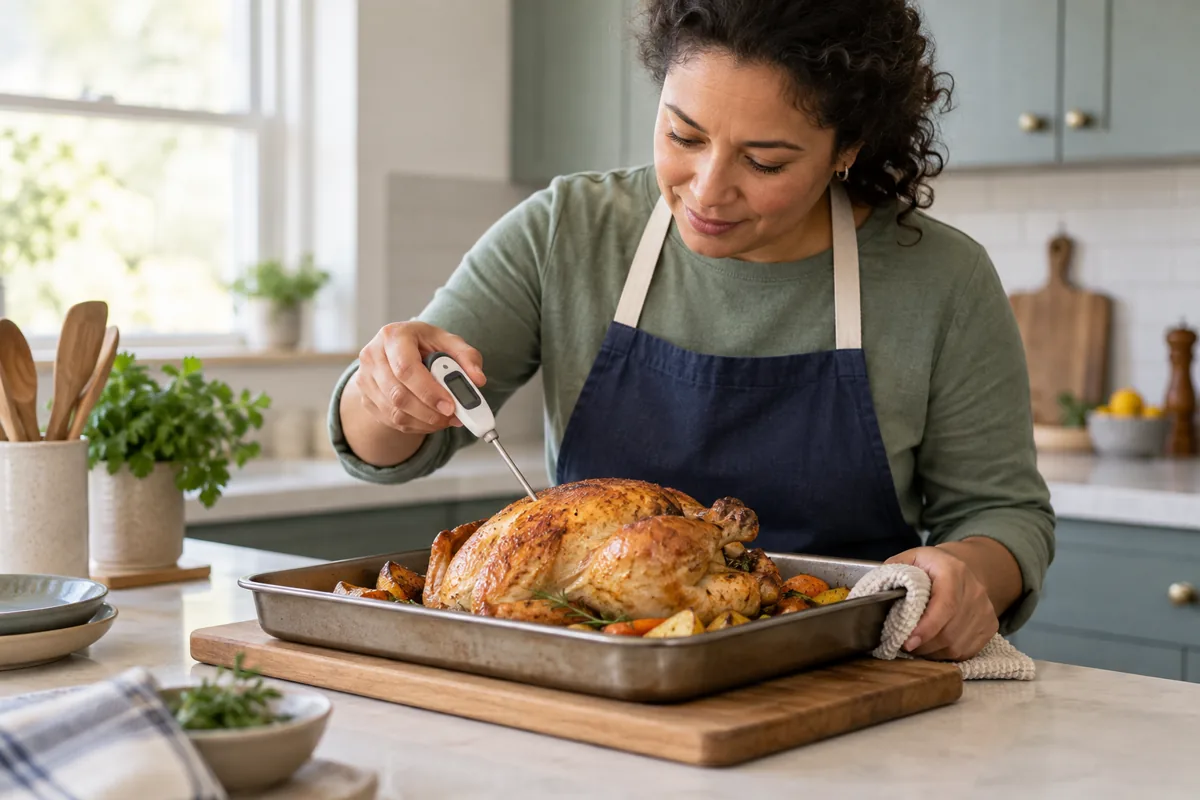
Separate raw meat from ready-to-eat foods and clean hands, utensils and surfaces appropriately. A food thermometer checks internal temperature more reliably than color. FDA guidance uses 165°F for poultry. Refrigerate perishable foods promptly; the usual room-temperature limit is two hours, reduced to one hour when the air is above 90°F. Follow current guidance for the particular food.
A chicken piece looks browned, but the thermometer reads 150°F. Continue cooking and recheck; appearance is insufficient.
Try it yourself
List separate utensils or cleaning steps for raw chicken and a ready-to-eat salad.
06 · Leftovers and a repeatable routineOpen lessonLocked — complete previous lessons
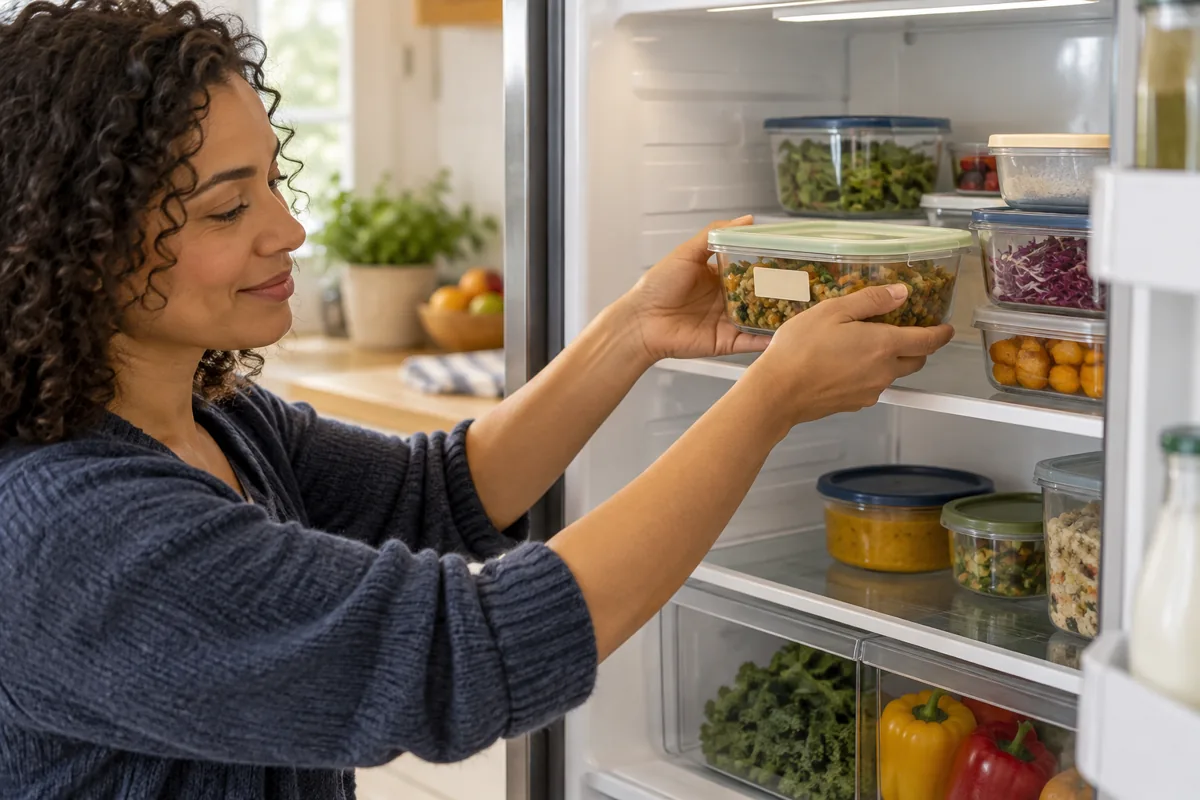
Label leftovers with their preparation date and organize the refrigerator so older items are easy to notice. Refrigerate perishables promptly and use appropriate shallow containers for faster cooling. When unsure about safe storage, consult official guidance rather than relying only on smell. Review your meal plan after trying it: note waste, time, cost and preferences without treating one imperfect meal as failure.
A large cooked batch is divided into smaller containers and promptly refrigerated, rather than left on the counter overnight.
Try it yourself
Complete your three-dinner project and explain one change that reduces waste.