Study
Complete 12 lessons and pass each knowledge check.
Study public safety communications, practice candidate skills, and work through fictional call-taking and dispatch decisions.
Begin the courseThis course does not award California POST credit, emergency medical dispatch certification, academy hours, employment eligibility, or a dispatcher certificate. Real calls must be handled only by trained personnel using their agency’s current policies and approved protocols.
Complete 12 lessons and pass each knowledge check.
Train note-taking, typing, call control, and prioritization.
Complete three original 30-question exams with explanations.
Check individual agency requirements and prepare honestly.
Study each section and pass its knowledge check before marking the lesson complete.
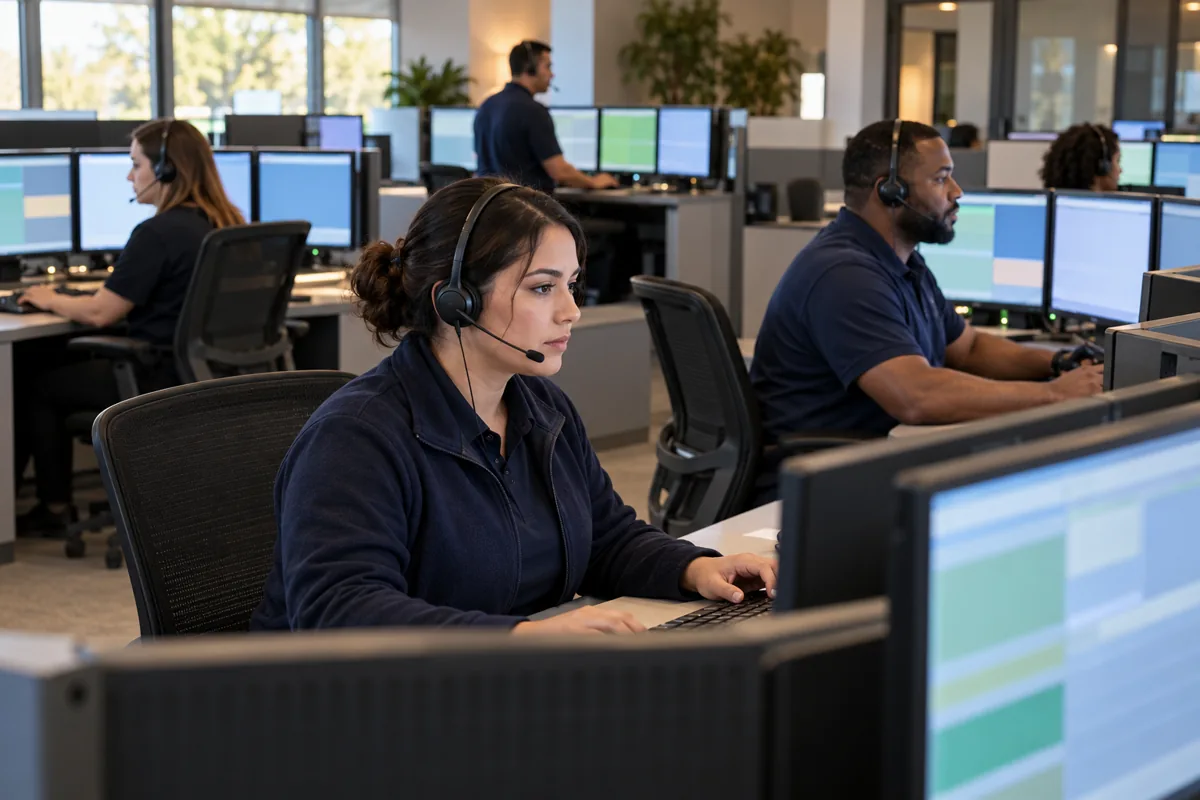
Public safety telecommunicators receive requests for police, fire, emergency medical, and other assistance. They collect and document information, classify calls under agency rules, relay information, monitor responder status, and keep records while several events may unfold at once.
Some centers combine call-taking and radio dispatch; others assign separate positions. A trainee must learn the exact equipment, geography, codes, protocols, and procedures of the hiring agency rather than assuming every center works the same way.
A telecommunicator must listen without judgment, ask clear questions, document what was actually said or observed, and avoid adding assumptions. Calm service does not mean treating every call as low priority; it means communicating professionally while applying the agency's emergency process.
Confidential information belongs only in authorized systems and conversations. Screens, addresses, criminal-justice information, medical details, and recordings must be handled under agency policy and applicable law.
California POST oversees the Public Safety Dispatchers' Basic Course for participating agencies, but employment standards, examinations, background investigations, medical or psychological screening, typing requirements, and academy arrangements can differ by employer.
LifeHelper prepares users to understand the work and practice general skills. It is not a POST-certified course, does not award training hours, and cannot replace an agency academy, protocol certification, or supervised on-the-job training.
Incomplete
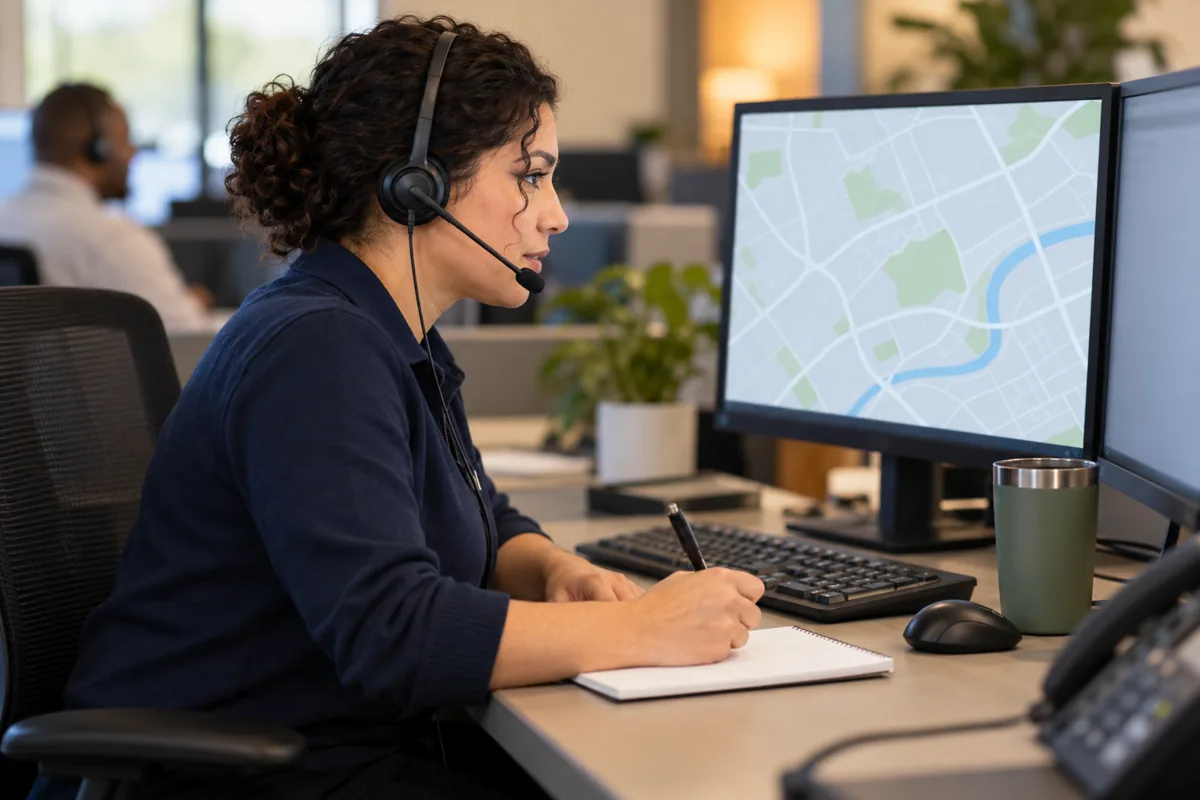
When a call disconnects or a caller becomes unable to speak, the location already collected may be the only way to send help. Ask for the exact address, apartment or unit, business name, floor, cross streets, landmarks, direction of travel, or trail marker as appropriate.
Repeat the location back. Similar street names, duplicate addresses, highways, and city boundaries create risk. Confirm the city or jurisdiction and never silently change an address because it looks more familiar.
Confirm a callback number early and note whether the caller is at the incident or reporting from somewhere else. A phone display or mapping estimate can support questioning, but it may be incomplete, delayed, or imprecise.
Do not promise that the center knows an exact location simply because the call came from a mobile device. Keep asking useful location questions and follow local procedures for disconnected, open-line, text, relay, and language-access calls.
Use one question at a time, brief sentences, and direct transitions: 'Tell me the address,' 'Repeat the apartment number,' and 'What happened?' A firm, respectful voice helps the caller focus.
If the caller gives a long story, acknowledge it and redirect to the information needed for response. Interrupting for safety-critical details is different from arguing or dismissing the caller.
Incomplete

Start with a concise description of the problem, then clarify whether it is occurring now, just occurred, or happened earlier. Determine who is involved, whether anyone is injured or in immediate danger, whether weapons or hazards are reported, and which direction involved people or vehicles traveled.
Questions should have an operational purpose. Avoid curiosity questions that delay response or collect personal details not needed for the call.
Computer-aided dispatch systems use incident types, priorities, and response plans defined by the agency. Select the closest authorized classification based on verified facts and update it as new information arrives.
Do not downgrade a call because a caller sounds calm or upgrade it only because a caller is loud. Behavior may affect communication, but reported conditions and agency criteria drive classification.
A telecommunicator gathers enough information to support response and caller safety. The role is not to decide guilt, provide legal conclusions, diagnose a condition, or conduct a complete field investigation.
Document uncertainty explicitly: 'caller reports,' 'unknown,' 'not seen,' or 'unable to confirm.' This tells responders what is known and what remains unverified.
Incomplete
Determine whether the event is happening now, whether people are in immediate danger, whether injuries or weapons are reported, and whether involved people are still present. Ask callers to remain in a safe location and avoid confronting, following, or attempting to detain someone.
A report of a weapon should include what the caller actually saw or heard, who reportedly has it, where it is now, and whether it was displayed or used. Never turn an assumption into a confirmed fact.
Build descriptions from general to specific: role in the incident, clothing from top to bottom, physical characteristics, distinguishing features, carried items, and direction of travel. For vehicles, gather color, body style, make or model if known, plate and state if safely visible, damage, occupants, and travel direction.
Do not prompt identity based on stereotypes. Ask neutral questions and repeat key details to confirm accuracy.
Callers may want to check outside, retrieve property, or follow a fleeing vehicle. Tell them not to place themselves in danger and follow the center's approved instructions.
If conditions change—someone returns, a weapon appears, a fire starts, or the caller moves—update the call and responders promptly.
Incomplete

Confirm the location and determine what is burning or leaking, whether flames or smoke are visible, whether people may be trapped, the type of structure or vehicle, nearby exposures, and any hazardous materials reported. Use the center's approved fire call process.
Do not delay dispatch to complete every question when the agency's criteria call for an early response. Continue gathering updates after resources are started when the workflow allows.
A caller outside a burning building should not be told to reenter for belongings, pets, or investigation. Keep people away from smoke, traffic, downed wires, unstable structures, and unknown substances, following approved instructions.
For gas odors, chemical spills, or electrical hazards, avoid improvising technical advice. Use the approved protocol and notify the appropriate fire or specialized resources.
Changes in smoke, visible flames, collapse, explosions, evacuation, wind direction, access problems, and trapped occupants can affect response. Record the source and time of each important update.
Multiple callers may describe the same incident differently. Link duplicate calls under local procedure while preserving genuinely new information.
Incomplete

After location and callback information, determine the patient's approximate age, chief complaint or mechanism, whether the patient is awake, and whether the patient is breathing normally, using the agency's approved emergency medical dispatch process.
Conditions may change rapidly. Reassess when the caller reports a change and update responders. Do not assume that breathing described as gasping is normal; follow the approved protocol wording and response.
Accredited or agency-approved medical dispatch systems provide scripted questions and instructions. Read required language accurately, record answers, and use built-in determinants rather than relying on memory or personal medical opinions.
Do not recommend medication doses, diagnose a condition, or invent treatment. If the protocol directs CPR, bleeding control, childbirth, choking, or another instruction, the trained dispatcher follows that exact system.
Ask about hazards when relevant and help responders reach the patient: gate code, apartment, elevator, locked door, someone available to meet units, pets, or difficult terrain. Keep the caller from entering an unsafe scene.
This prep course never provides real-time medical direction. In an actual emergency, users should call 911 and follow the trained call-taker's instructions.
Incomplete
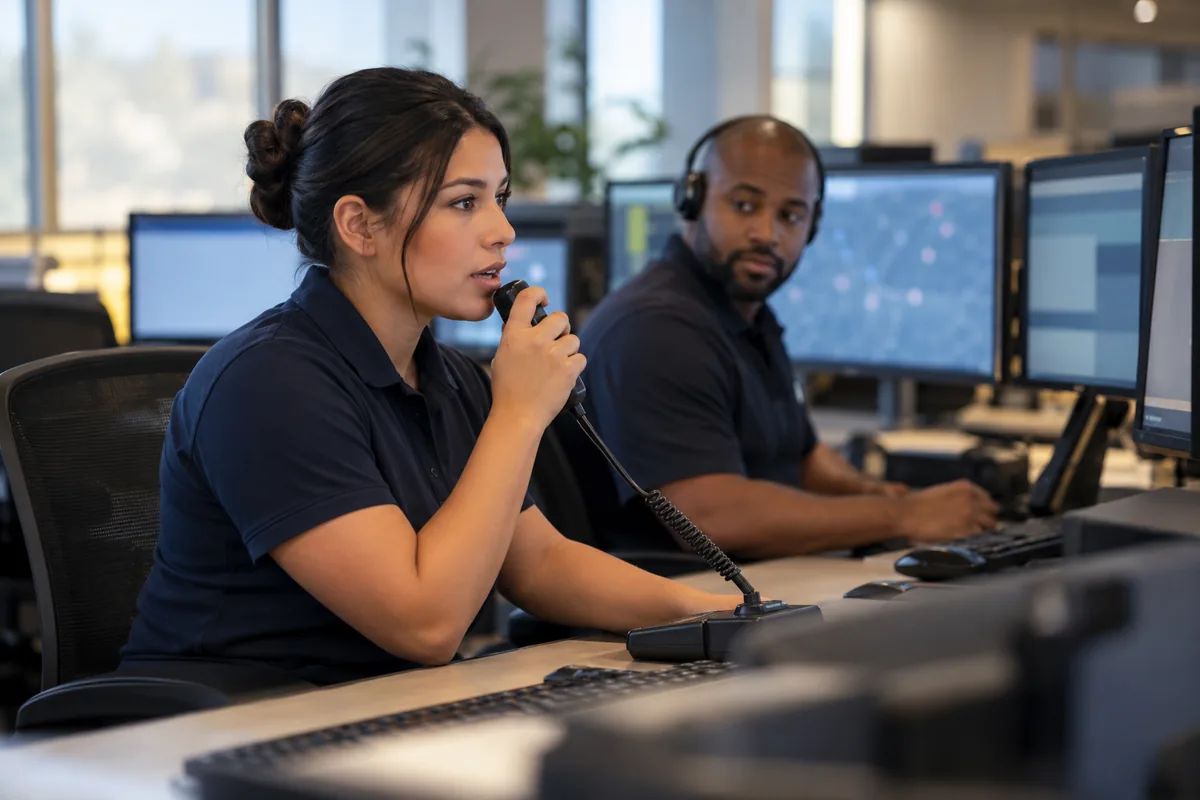
Radio traffic should be brief, accurate, and understandable. A basic dispatch commonly identifies the unit, incident type, location, and critical safety information, but the exact order and terminology come from the agency.
Listen before transmitting, use the assigned channel, speak at a controlled pace, and avoid unnecessary words. Repeat or clarify information when a unit requests it rather than pretending a broken transmission was understood.
CAD and radio status must reflect reality: assigned, en route, arrived, transporting, available, or another agency-defined state. Missed acknowledgments, overdue status checks, emergency activations, and unit requests require prompt attention under policy.
Time stamps and unit status records may later be reviewed. Never alter a record to make a response appear faster or cleaner.
A pursuit, responder emergency, mayday, active violence report, or other policy-defined critical event may require restricted radio traffic. Follow the supervisor and agency procedure for alerts, channel control, notifications, and resource coordination.
Do not flood the channel with repeated nonessential information. Record and relay changes that affect safety or response.
Incomplete
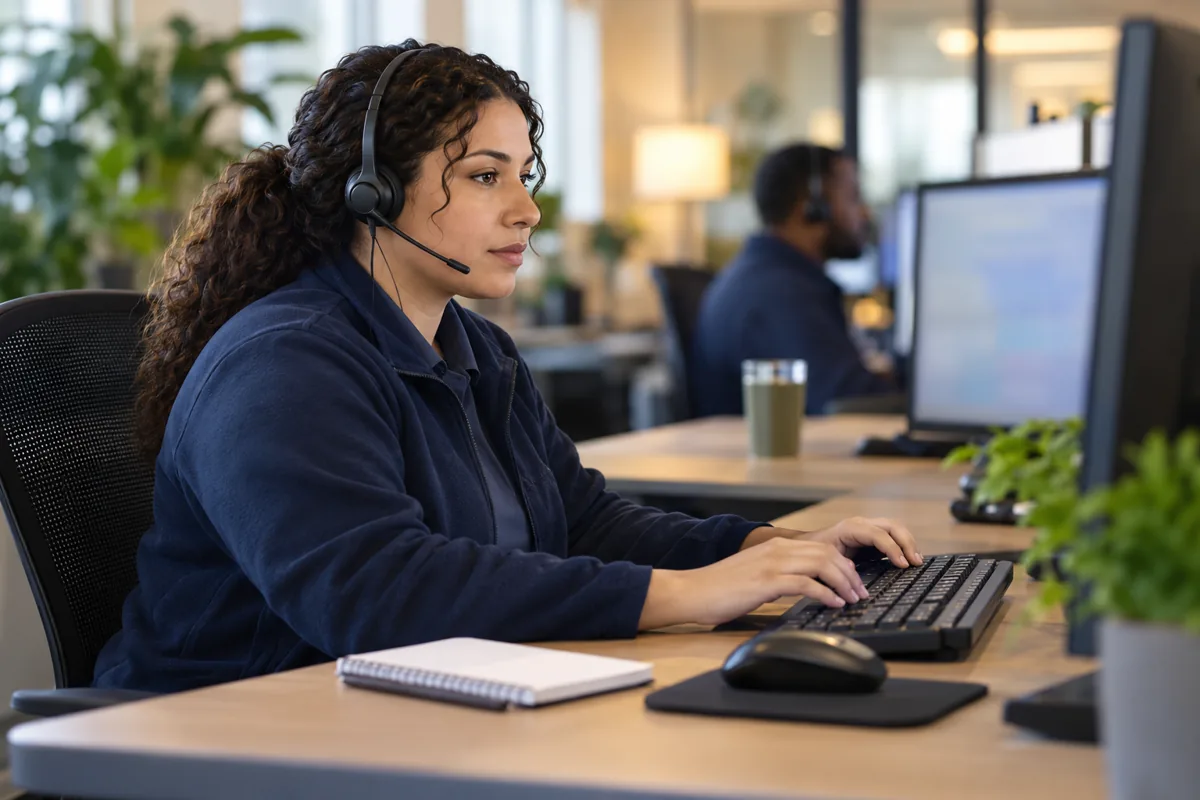
CAD notes should communicate what responders need: verified location, nature of the call, hazards, people and vehicle descriptions, injuries, weapons reported, direction of travel, access details, and meaningful updates. Use approved abbreviations only.
Place facts in a logical, chronological order. Avoid sarcasm, opinions, labels, unsupported conclusions, and irrelevant personal commentary.
Phrases such as 'caller reports,' 'second caller states,' 'alarm company advises,' and 'officer confirms' distinguish reported information from verified observations. Mark unknowns rather than filling gaps with assumptions.
Record significant changes with the correct time. If a detail is corrected, preserve the audit trail through the system's correction method rather than hiding the original entry.
Calls, radio traffic, messages, and CAD entries may be retained, reviewed, or disclosed under law and policy. Professional documentation protects responders, callers, the agency, and the integrity of the event record.
Access only information needed for assigned duties. Curiosity is not an authorized reason to search a person, address, or incident.
Incomplete

Centers use agency-defined priorities based on immediate threat to life, active hazards, incident type, available information, and response needs. A recently received life-threatening call may take precedence over an older non-emergency report.
Do not use emotion, social status, neighborhood, or persistence as substitutes for the priority criteria.
Telecommunicators may listen to radio traffic, enter CAD notes, monitor unit status, answer another line, and receive updates within a short period. Use the system's queues, alerts, notes, status tools, and standardized routines rather than relying on memory alone.
Close the loop: acknowledge a request, record it, relay it, and confirm completion where required. Repeat-back protects names, numbers, addresses, plates, and safety information.
When workload exceeds safe capacity, notify a supervisor or partner using the center's procedure. Asking for assistance early is a professional safety action, not a failure.
During major incidents, follow the incident structure, mutual-aid process, and channel plan. Avoid self-deploying resources or creating an improvised command system.
Incomplete
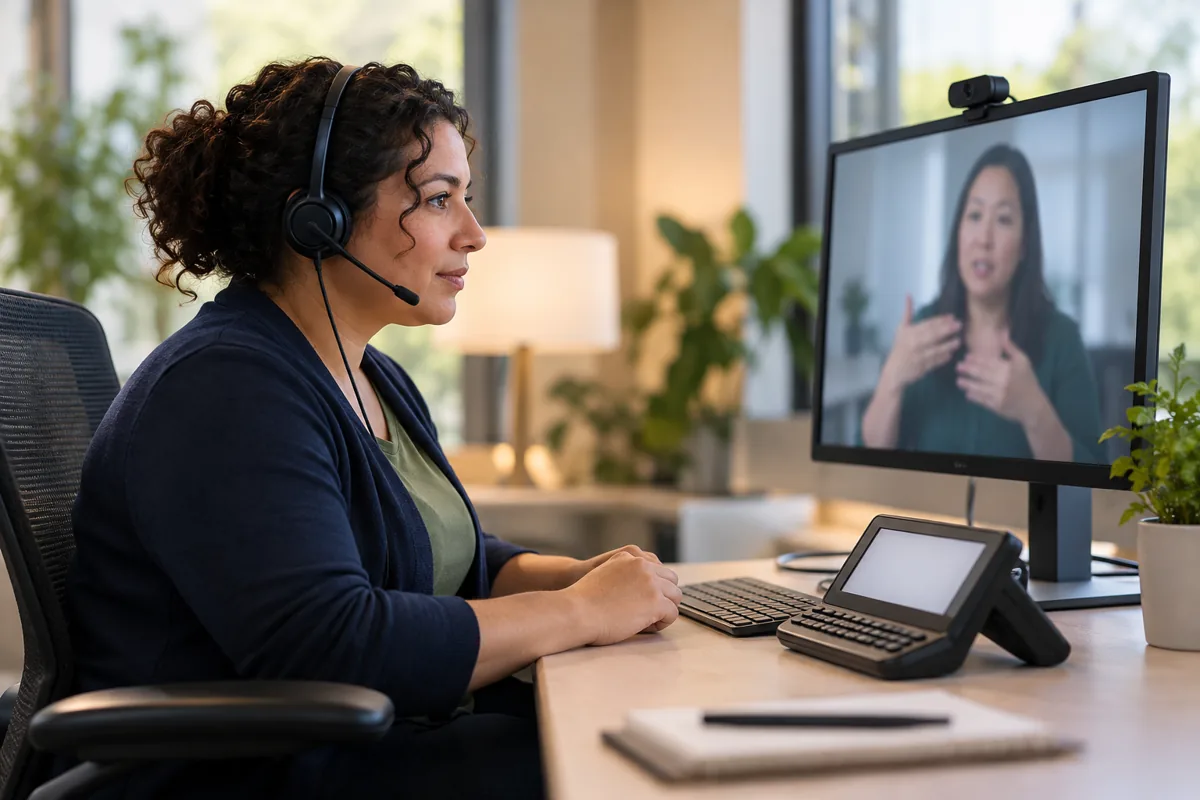
Use plain language, one question at a time, and enough processing time. A speech pattern, accent, assistive device, developmental disability, hearing difference, or crisis response does not establish intelligence, truthfulness, intoxication, or danger.
Ask what communication method helps when practical. Use available text, relay, interpreter, language line, or other authorized service under agency procedure.
A child may know a nickname, school, landmark, apartment color, or nearby business rather than a formal address. Ask concrete questions and avoid suggesting answers. Keep the child focused on safe, observable actions.
Do not ask a child to confront an adult, enter a hazardous area, or perform a task beyond the approved protocol and the child's ability.
Listen for immediate safety concerns, weapons, access to means, location, who is present, and changes in behavior, following the approved crisis procedure. Use a steady tone and avoid arguing about perceptions.
Do not promise secrecy, diagnose the caller, or make guarantees about the outcome. Keep the caller engaged when safe and coordinate the appropriate response under policy.
Incomplete

The National Incident Management System provides common terminology and structures for coordinated incident management. Telecommunicators support the response by maintaining accurate information, resource status, notifications, channel assignments, and documented requests.
The communications center does not replace on-scene command. Follow the authority having jurisdiction, incident command, emergency operations, and mutual-aid procedures.
Large events may involve police, fire, EMS, public works, utilities, neighboring centers, state agencies, and federal partners. Confirm which talkgroups, channels, contact points, and request paths are authorized.
Share verified operational information with appropriate partners. Rumors and duplicated requests waste resources and damage trust.
Centers plan for CAD interruption, radio failure, phone outage, evacuation, power loss, cybersecurity events, and backup-site operations. Dispatchers must know manual cards, backup numbers, failover equipment, notification lists, and recovery documentation required by their agency.
During an outage, slow down enough to repeat and log critical information. Report the failure and use approved backup methods rather than experimenting with unapproved personal accounts or devices.
Incomplete

Treat callers and responders fairly, protect restricted information, follow lawful instructions, disclose mistakes promptly, and avoid conflicts of interest. Never use systems to look up friends, relatives, celebrities, neighbors, or personal disputes without an authorized work purpose.
Bias can affect questioning, priority, descriptions, and tone. Use standardized criteria and observable facts, and accept coaching when patterns are identified.
Emergency communications may involve trauma exposure, shift work, intense concentration, and limited control over outcomes. Healthy routines, peer support, supervision, employee assistance, mental-health care, sleep planning, and time away from work can support long-term performance.
A dispatcher is responsible for the quality of the work, not for controlling every outcome. Seek immediate help when stress creates a safety risk or thoughts of self-harm.
Hiring processes may include applications, typing tests, multitasking or written examinations, oral interviews, background investigations, medical or psychological screening, and extensive academy and on-the-job training. Requirements differ by employer.
Practice accurate typing, listening, map reading, prioritization, note-taking, calm speaking, and receiving feedback. Read every job announcement carefully and disclose information honestly during the background process.
Incomplete
These exercises build typing and concise note-taking. They do not reproduce a specific agency test.
Caller reports dark smoke from the second-floor window at 418 Harbor Avenue. Everyone is believed to be outside. No flames are visible. The caller is across the street wearing a blue jacket and can meet responders.
Accuracy matters more than raw speed. Individual employers set their own typing requirements and test rules.
Work through five fictional calls. Incorrect choices explain the risk and let you correct the decision.
Fictional learning scenarios only. They do not provide real emergency instructions or replace an agency-approved call-handling protocol.
Choose which event receives first attention, then complete the communication follow-up. Priorities here belong only to this exercise.
This exercise teaches general prioritization concepts. A real center's incident types, response plans, unit recommendations, and priorities are controlled by its current policies and systems.
Each original exam covers the full course. Answer every question, review explanations, and retake as often as needed.
30 questions · complete answer review · unlimited retries
30 questions · complete answer review · unlimited retries
30 questions · complete answer review · unlimited retries
Requirements differ. Read each agency's job posting, selection process, academy rules, and typing or testing instructions.
Call 911 during an actual emergency and follow the trained telecommunicator’s instructions. The fictional procedures used here are teaching examples and may not match a real agency.
All 12 lessons; all three practice exams at 80% or higher; practice activities self-reviewed. Independent completion only, not official licensing.
Estimated study time: 9 hours. Includes reading, practice, projects and assessment; individual time varies.
Certificate locked — complete all requirements listed above. Existing progress is preserved.
Lifehelper estimates time from lesson length, worked exercises, practice sessions, project work and assessments. Short foundation courses use approximately two hours; larger courses and multi-level programs use higher estimates. This is not a timer, accredited credit or verified attendance.
Documents completion of an independent Lifehelper course. Not a license, accredited qualification, or official professional certification. Estimated study time is a course estimate, not verified activity hours.